The Towel
For what remains
Casa Aurea was founded with the aim of not pitting textile quality against ecological responsibility, but rather reconnecting them. At the centre are hemp and lyocell: fibres that require significantly less water to grow, thrive without pesticides, and bind more CO₂ in the field than many conventional raw materials.
From these plants, particularly fine yarns are produced using modern methods. They are three times softer than cotton, absorb significantly more moisture, and dry faster. This means: less energy consumption when washing and drying, fewer changes of textiles, and therefore less resource consumption throughout the entire operation. At the same time, hemp fibres are naturally antibacterial and odour-reducing – hygienically clean even at lower washing temperatures.
Good materials. Clear responsibility.
Sustainability does not end for us with the material. Casa Aurea relies on a predominantly European value chain with short distances, clear standards, and traceable partners. Wherever possible, we work with natural dyes, reduce packaging to the essentials, and avoid unnecessary plastic. This keeps the ecological footprint of our towels as low as possible throughout their entire lifecycle – from the fibre to the last use.
For hotels, spas, and soon also private customers, this means: you are not only choosing a particularly pleasant towel, but also a product that measurably contributes to the relief of the climate and the environment. Less water, less chemistry, longer durability – and thus less textile waste. Casa Aurea makes it easy to integrate sustainability into everyday life without sacrificing comfort or aesthetics.
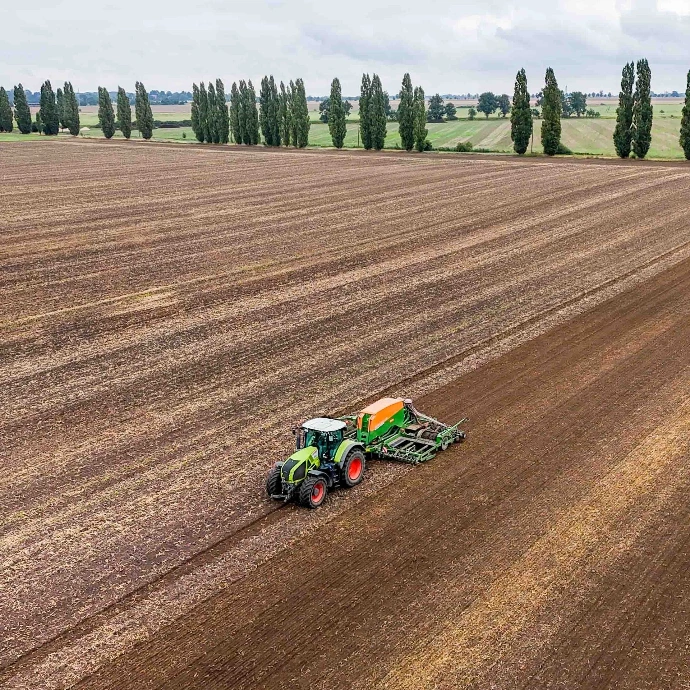
The beginning is in the field
Our towels do not start in the design studio, but in agriculture. The organic hemp we use comes from German cultivation and is specifically grown for textile applications.
Hemp is one of the most sustainable natural materials for good reason:
grows quickly and robustly
requires significantly less water than cotton
grows without pesticides and herbicides
improves soil quality by binding nitrites and nitrates
From fibre to quality
Our partner Felde Fibres
The processing of hemp into textile fibre takes place in Germany together with our partner Felde Fibres.
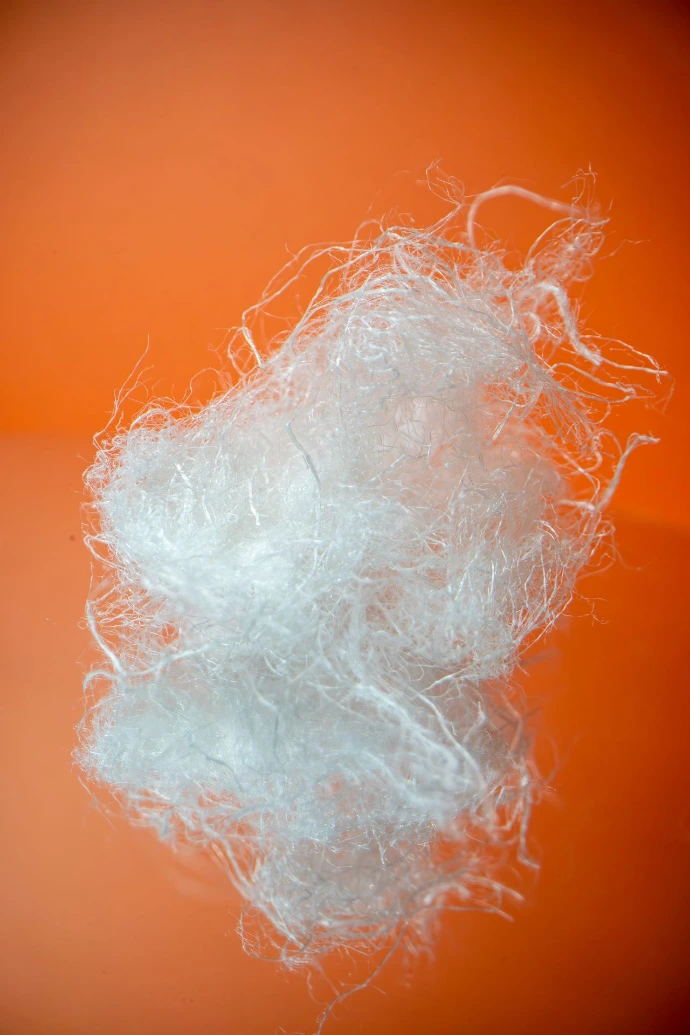
Here, the raw material is processed using a specialized method that preserves the character of the fibre while making it suitable for high-quality textiles.
A central step is the cottonization:
It makes the originally firm hemp fibre soft, even, and skin-friendly – without chemical softeners or artificial coatings.
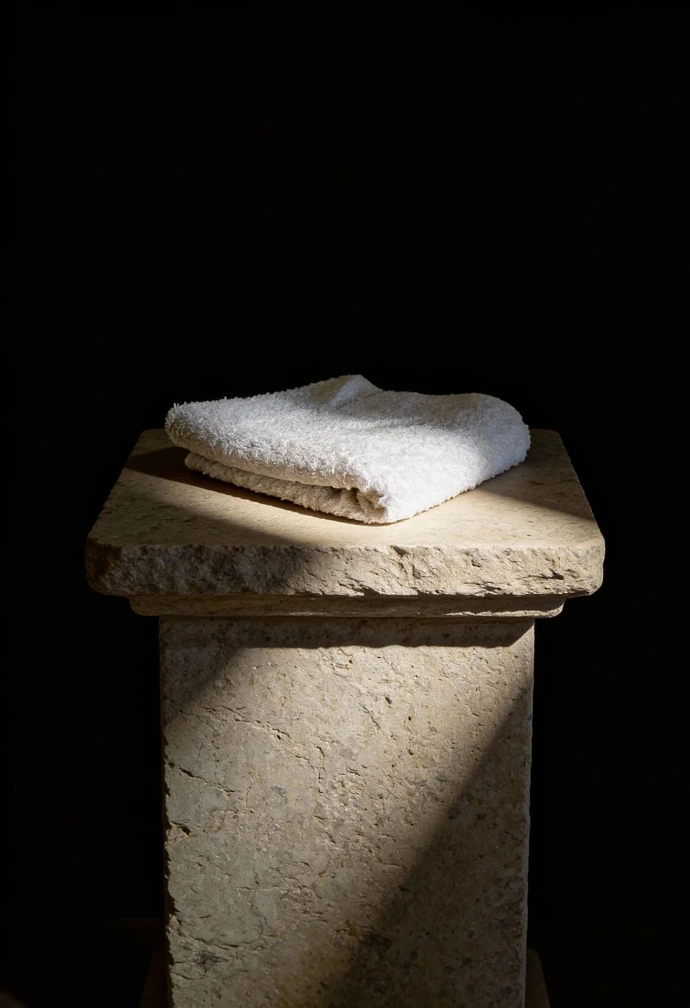
The result is a fibre that is suitable for everyday use while still retaining its natural strength.
European value creation instead of global dependence
After fibre production, yarn production, weaving and finishing follow – also within Europe and with deliberately short distances.
This structure enables:
consistent quality
transparent processes
lower transport emissions
independence from unstable third-country supply chains
We know where every material comes from – and where it goes.